
Coating the road with the right coloured gives a clear indication of the path. R110 coloured coating is widely used in Australia for road surface coating. R110 is a specification laid down by the Road and Maritime Services, Australia. The R110 guideline is specifically for coloured surface coatings for bus lanes and cycling path. Like R110 coloured surface coatings specification, different guidelines for the different types of road works have been put into force by the road and maritime services to ensure that the transportation network system is safe and convenient to use for all. It includes all persons on the road regardless of their age and ability. These people may be travelling as pedestrians, motor vehicle drivers, bicyclists, or those using the public transport system.
Showing posts with label road line marking. Show all posts
Showing posts with label road line marking. Show all posts
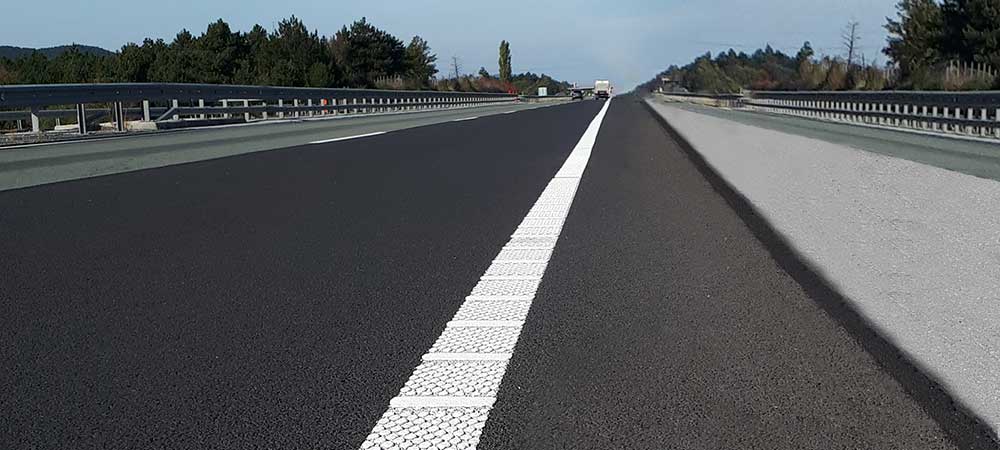
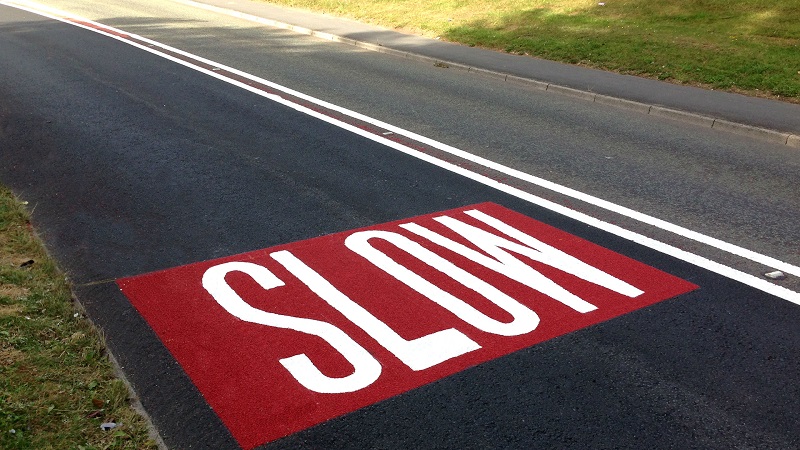
Road Markings - The Safety Standards
While you are driving on the road you may not realize the importance of signs and marks on the road. But their absence makes us feel their importance. While walking on a road without any safety marks and signals it is difficult to drive and your safety is always at risk. Road marking plays a very important role in such things. Markings made on the road seem very easy but painting on the roads is very difficult and involves many mechanisms and experienced workers. The road marking should be made perfectly to make it convenient for drivers and pedestrians.
 |
| Road Markings |
There are a lot of ways in which one can mark the roads. There are many styles and the prints that are used are of various kinds of styles and works are done. There are various ways in which they can be done some of which are:
- Thermoplastic profile
- Thermoplastic preform
- Thermoplastic screed
- Cold applied plastic
- Raised pavement markers
- Thermoplastic extrusion
- Thermoplastic spray
- Waterborne paint
- Line removal
These are some of the different styles and ways of road marking techniques. These are basically the different types of paints that are used to paint the roads. All of these are used differently and with different implications. There are various other ways as well by which you can paint roads, but these are some of the most common ways.
The latest technologies are focused on sustainable development goals and have developed ways to minimize the environmental impact of the same. The impact can be seen in the techniques they use and the paint and the material that they are using.
When it comes to road markings there are a lot of ways and designs which are painted on the road to serve different purposes. There are various designs and patterns that are drawn on the roads.
 |
| Road Line Marking |
The Different Types of Markings Can Be Classified as Follows:
- Longitudinal markings are placed along the direction of the traffic. These are generally a straight line marked along the edge of the road and are white in color so that it can be seen distinctly. This is marked to show the direction of traffic on the road. There are fixed dimensions to it as per the set standards.
- Centre line is also a type of longitudinal line which is there in the center of the road which separates two different lines of traffics from one another. This generally yellow or white in color.
- Traffic lane road markings are one of the most important markings and help the drivers identify their lane and drive safe.
- Warning lines are the next type of lines is generally made before the vehicle approaches any obstruction. These are named warning lines as per the purpose they serve.
- Pedestrian crossings commonly known as the zebra crossing are the crossings made on the area where there is a path for the pedestrians to cross the road as the traffic signals.
- Directional markings are also another kind of road markings which shows the directions on which the vehicles should move. This is marked as per safety standards.
- Words and graphics are another kind of paintings that are generally used on roads. Signals like stop etc are the few things that are to be marked on the roads.
Road markings are very important as per the safety standards. These signals are very important for every person who drives on the road to ensure their safety. Do comply and do not overlook them while driving.
Subscribe to:
Posts
(
Atom
)


